
635 successful eradications recorded so far have protected >203 species. Click the species to read worldwide success stories.
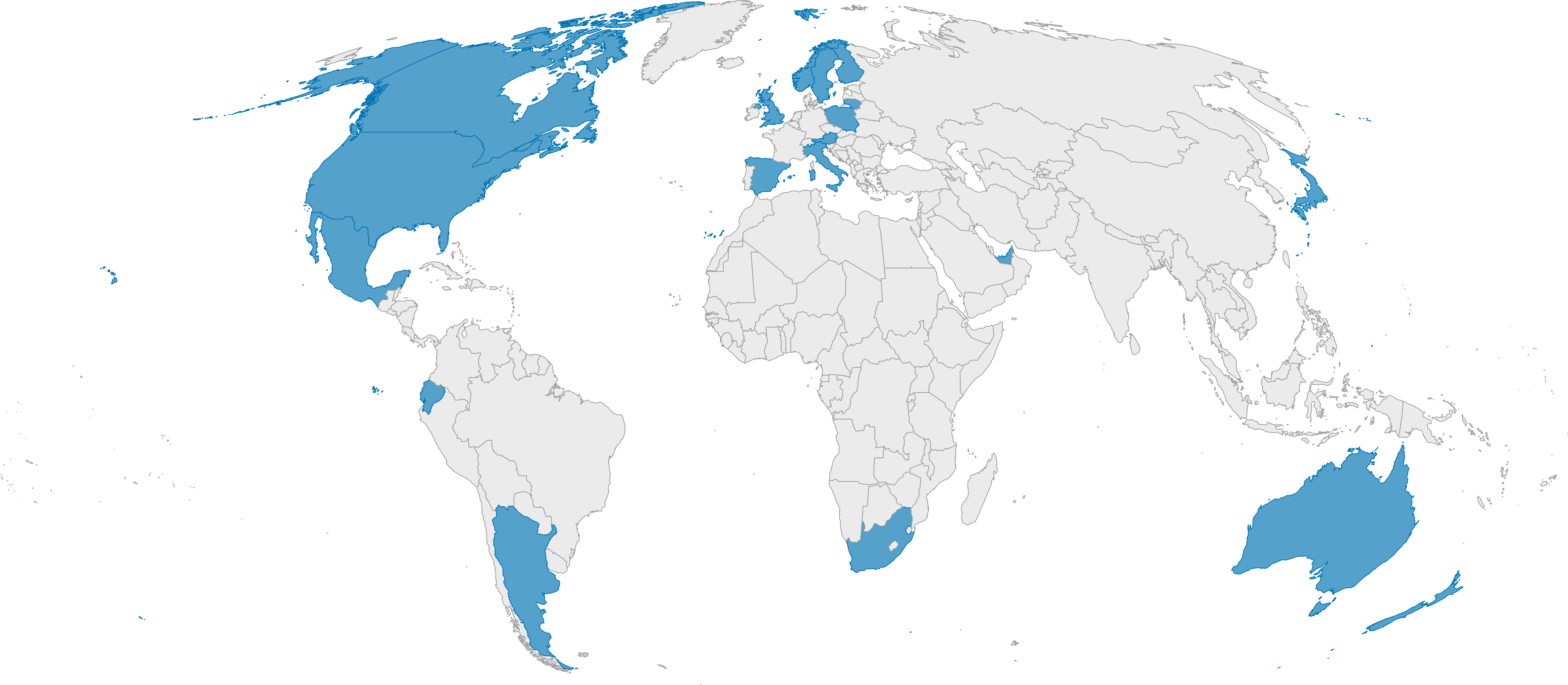
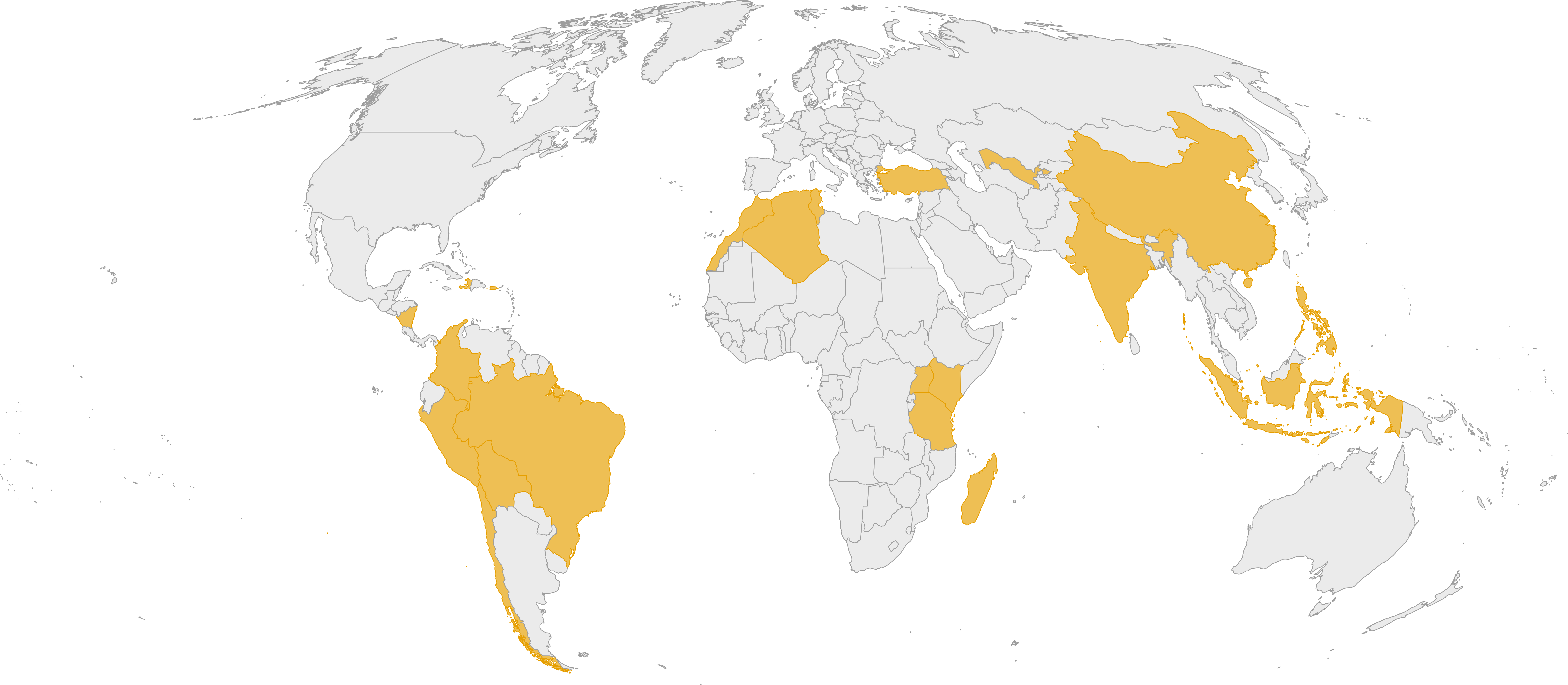
An article in Nature found that invasive species have contributed to 55% of freshwater extinctions, second only to dams. Dam removal is scaling fast; freshwater eradications are next. A meta-analysis in Science found that managing invasive species has the “largest impact of [all possible] conservation action”. Eradication is the most effective form of invasive species management: cheaper and more enduring than long-term control.
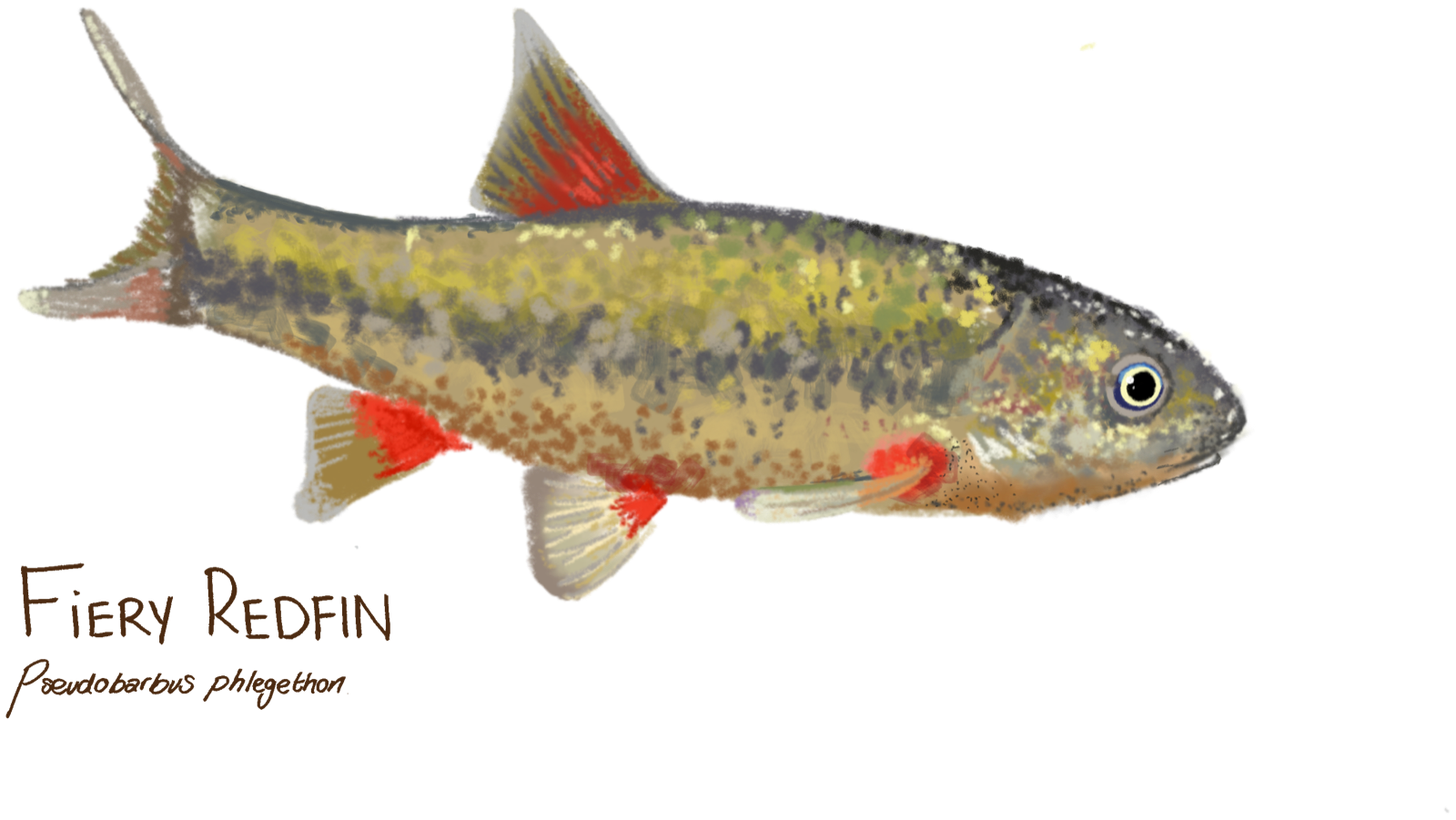
Africa Fiery redfin EN
A historic restoration that, in just a few months, brought back this Endangered fish over a decade after it had disappeared.
In South Africa's Western Cape, world famous for its biodiversity, runs the Rondegat River: home to Threatened fish species including the fiery redfin. But smallmouth bass, introduced to South Africa for angling in 1937, invaded the lower river up to a waterfall and ate the redfins and other native fish out of it. So in 2012 and 2013, CapeNature and partners treated 4 km of river with rotenone, the country's first conservation use of the piscicide. They upgraded a weir to stop the bass from coming back, and cleared invasive trees along the banks so the whole river could heal. What happened next was utterly amazing: native fish began returning within months, their densities rising from fewer than 1 to nearly 12 fish per 100 m², and the river's insects and other invertebrates bounced back quickly. All for about US$250,000 to remove the bass (US$64,000/km) and US$550,000 for tree clearing: a low cost to bring a river back to life.
Links
- Threatened Endemic Fishes in South Africa’s Cape Floristic Region: A New Beginning for the Rondegat River (article in Fisheries with great details and graphs)
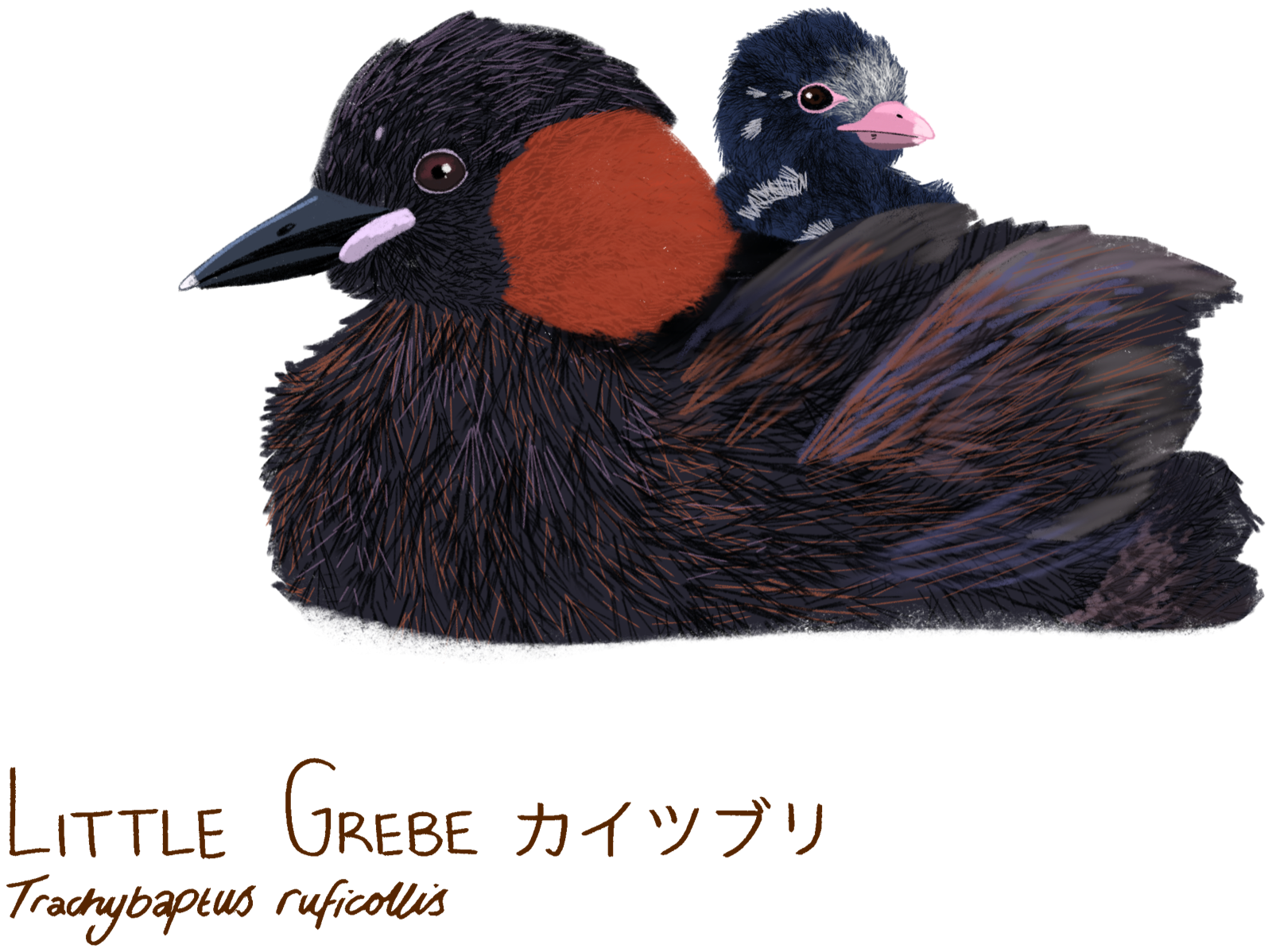
Asia Little grebe カイツブリ LC
A beloved bird on the brink in Tokyo, brought back by the restoration of a historic pond.
Grebes are diving waterbirds that look a bit like ducks, yet their closest living relatives are, surprisingly, flamingos. And they are in trouble worldwide. Three species have gone Extinct since 1977 (in Colombia, Guatemala, and Madagascar), and invasive fish were involved in each extinction. Four more species of grebe are Critically Endangered or Endangered, with invasive fish again among the threats. So when largemouth bass and bluegill were introduced to Tokyo's Inokashira Pond, a pond once clean enough to drink from, Tokyo's little grebes were in trouble. The invasives ate the small fish and shrimp the grebes depend on, and the grebes stopped breeding and eventually vanished from the pond. Local residents noticed, and from 2007 worked with the Tokyo Metropolitan Government to fight back, finally reviving a traditional Japanese practice called kaibori: draining the pond, letting its bed dry in the sun, and sorting every animal caught, returning the natives and removing the invaders. After three kaibori the bass and bluegill were gone for good. Native fish and shrimp rebounded, rare water plants returned after some 60 years, and the grebes came home. In 2025, eight pairs bred and 44 chicks hatched!
Links
- The premier breeding ground for little grebes in Tokyo (blog post in the Inokashira Pond Newsletter with great photos and graphs)
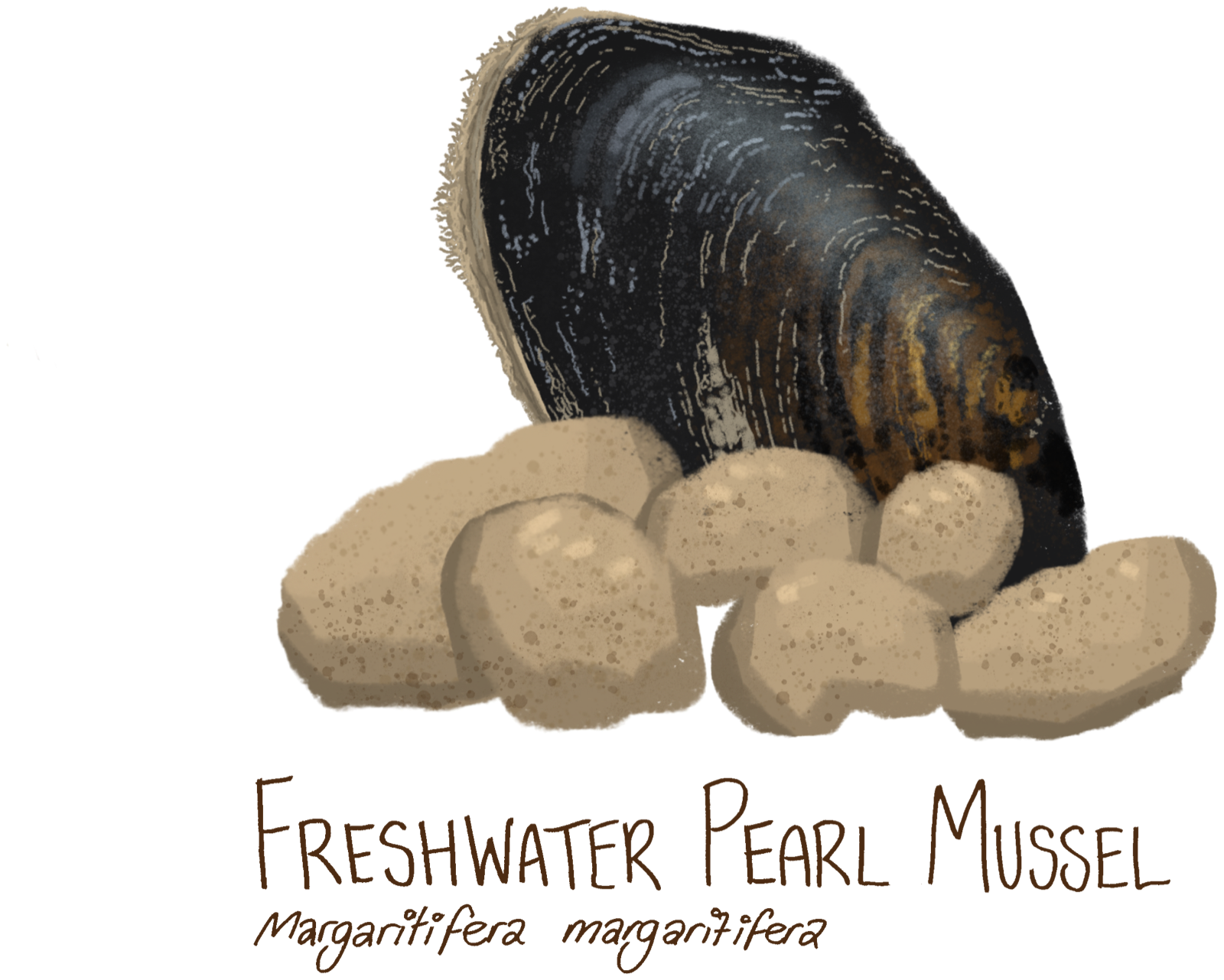
Europe Freshwater pearl mussel EN
One of the world’s longest-living animals (up to nearly 200 years!), this Endangered species is recovering after decades of decline thanks to a national programme in Norway to save the Atlantic salmon.
Freshwater bivalves are among the world's most threatened group of animals, with dozens of Extinct species. So this story is a source of much-needed hope. The Endangered freshwater pearl mussels can live for nearly 200 years, but they can't complete their life cycle alone. And when Atlantic salmon serve as the primary host for freshwater pearl mussel larvae, the mussel becomes particularly vulnerable in rivers infected by the invasive parasite known as the salmon killer (Gyrodactylus salaris). The parasite causes high mortality among juvenile salmon and leads indirectly to reduced recruitment of freshwater pearl mussels. Thankfully, the Norwegian Veterinary Institute has been using rotenone, a piscicide derived from traditional fishing methods, to eradicate infected fish and then restock healthy salmon. And today, in the Steinkjer rivers, high density of young salmon has led to exceptionally strong recruitment of freshwater pearl mussels. Restoring relationships, saving species.
Links
- Beautifully thorough yet elegant report from the Norwegian Research Information Repository (though you’ll likely need to translate it!)
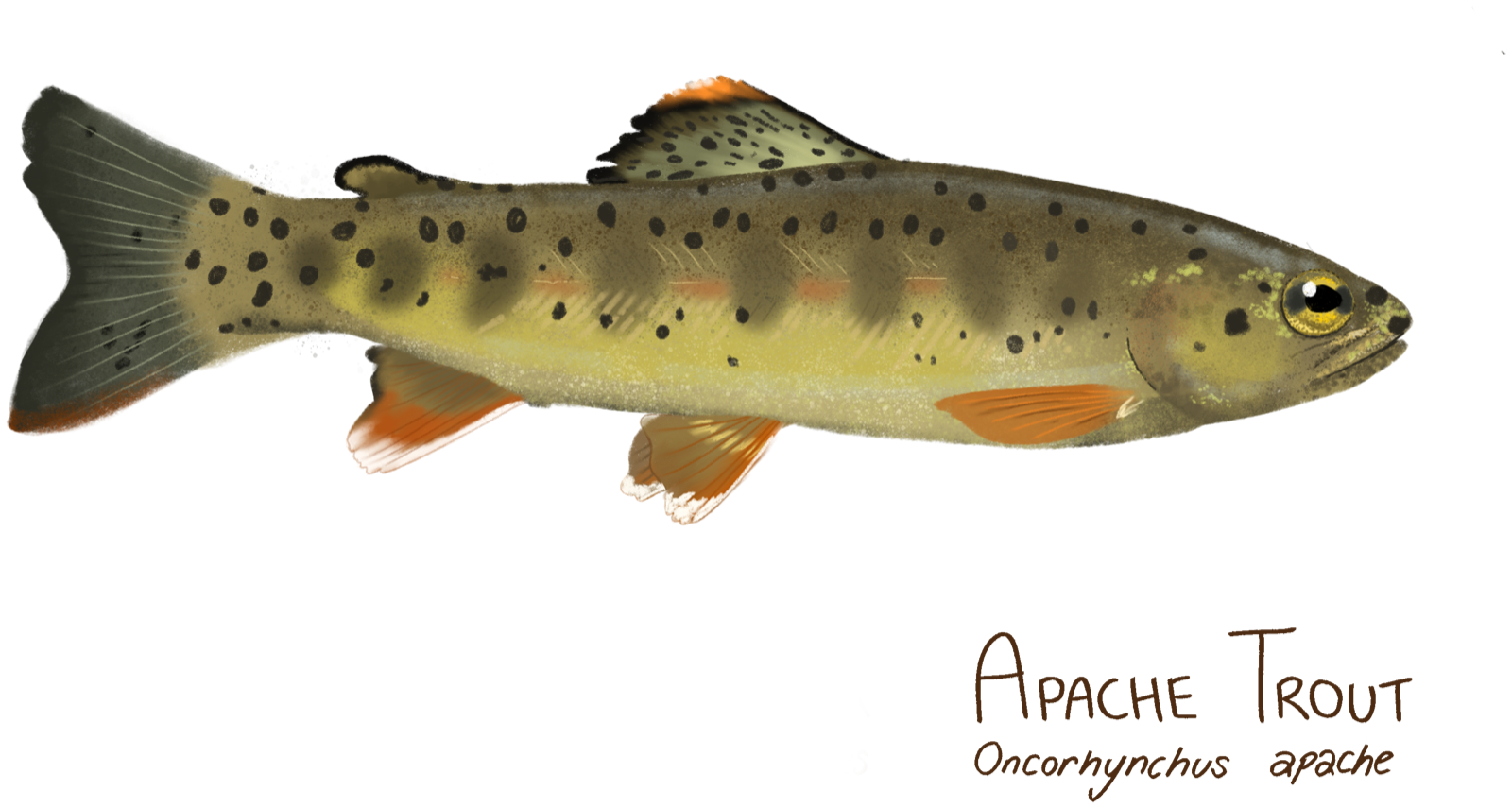
North America Apache trout CR
This sacred and Critically Endangered trout was removed from the Endangered Species List thanks to a historic Indigenous-led decades long recovery effort.
“Colonization wasn’t kind to the Apache trout. The newcomers caught and ate them by the bushel, and logging, overgrazing and mining degraded their mountain creeks. Worst of all were the legions of non-native trout — brook, brown and rainbow — that the state stocked for mining camps and anglers, which swiftly overwhelmed their native rivals. By the 1940s, Apache trout endured in just 12 streams — all of them on the Fort Apache Indian Reservation.” So the tribe, to whom the Apache trout is sacred, banned all fishing and started working with the state of Arizona (USA) to build barriers that keep invasive fish from moving upstream. Then they started eradicating invasive fish above the barrier and reintroducing Apache trout. Today the Apache trout lives in 30 streams, and in 2024 was removed from the list of threatened species under the Endangered Species Act. That makes it the first ever sport fish and trout species removed from the federal list due to recovery!
Links
- After half a century, the Apache trout swims off the threatened species list (article in the High Country News with stunning photographs)
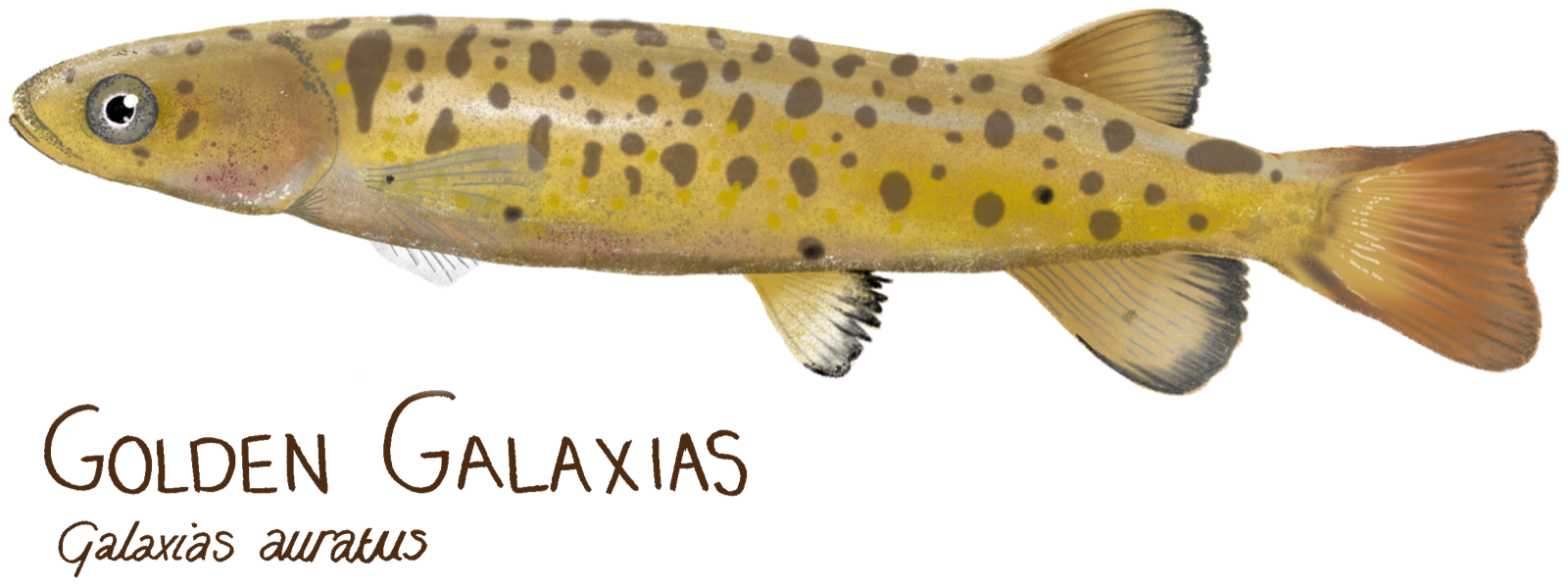
Oceania Golden galaxias EN
The world’s largest and longest ever successful carp eradication that restored both this Endangered endemic and the trout fishery!
The Tasmanian Inland Fisheries Service (IFS) Carp Management Program achieved the world's largest and longest ever successful carp eradication from Lakes Sorell (≈54 km²) and Crescent (≈23 km²). They restored these Ramsar-listed wetlands both to save endemic and Endangered species like the Endangered golden galaxias and bring back what had once been a thriving recreational trout fishery. This one-of-a-kind project took 28 years (1995-2023) and pioneered innovative techniques like “Judas carp” radio-telemetry. A historic success showing that almost anything is possible with enough resources and will. Even restoring lakes thought to be “too big”.
Links
- The largest lake system globally from which common carp have been successfully eradicated (informative learning resource with great photos and videos from Tasmania in Action)
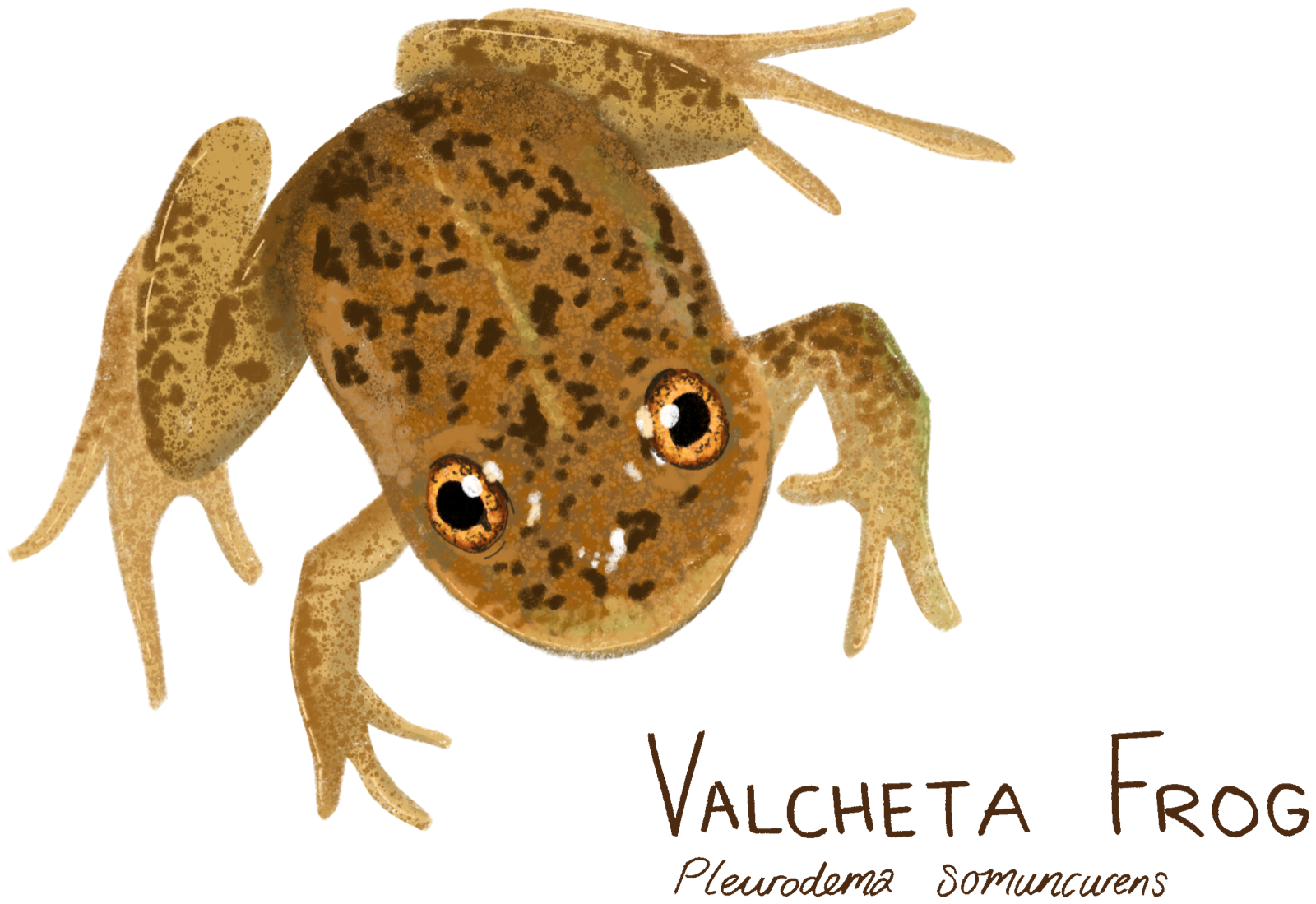
South America Valcheta frog CR
Critically Endangered microendemics brought back from the edge of extinction by Argentina’s first-ever freshwater eradication.
In the cold and windy Patagonian steppe of Argentina rises a vast basaltic tableland: the Somuncura Plateau. And in a place where it barely rains, water is everything. Every stream is a lifeline. Take the Arroyo Valcheta: here live four species found nowhere else on earth: the Valcheta Frog, a fully aquatic and evolutionarily distinct frog. The Naked characin, a small fish that loses its scales as it grows, the only one of its kind; and also the only native fish species of the stream. And two tiny freshwater snail species so rare they only have scientific names. But all four species are Critically Endangered, being eaten to extinction by invasive trout. Until the Fundación Somuncura, in partnership with Freshwater Life in May 2022, in a single day, eradicated the invasive fish in a pilot stretch of stream. And then the stream did the rest: the endemic species came back. This was the first-ever freshwater eradication in Argentina and won the Whitley award. Now Fundación Somuncura is planning to build an invasive fish barrier and restore 30 km of stream. This will save all four species, securing a future for some of the least visible inhabitants of the Patagonian desert.
And all four species will be downlisted from Critically Endangered to not just Endangered, but Vulnerable! Such a feat is exceedingly rare: from 2007 to 2024, of the 164k species assessed on the Redlist, only 0.1% were downlisted, or 222 species. And only 74 species were downlisted by two or more categories.
Links
- On a Patagonian plateau, a microendemic frog makes a hopeful comeback (article in Mongabay that’s a quick and inspiring read)
- doi.org/10.1111/cobi.70103